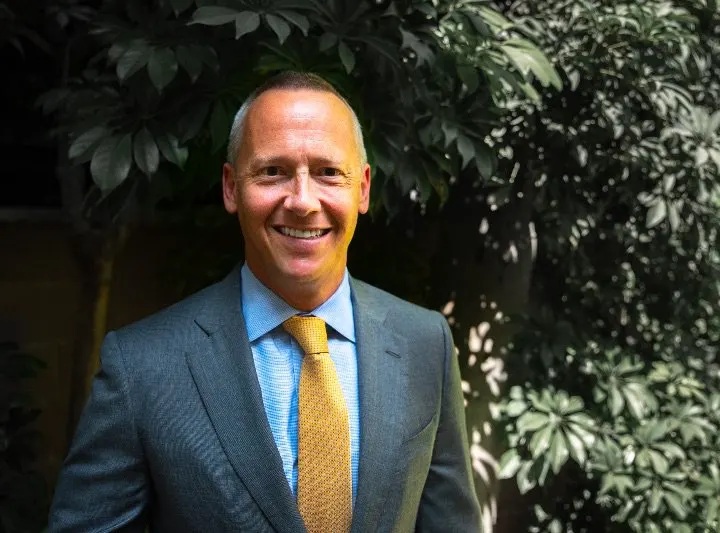
BATON ROUGE, LA, May 13, 2026 /24-7PressRelease/ — Emergency physician Gianluca Cerri MD is raising awareness about a growing issue inside emergency medicine: the need for stronger systems and clearer communication in high-pressure healthcare environments, especially in rural emergency departments where resources are limited and teams are stretched thin.
Drawing from more than two decades of experience in emergency medicine, flight medicine, and clinical leadership, Cerri says many of the biggest challenges in healthcare are not caused by lack of effort, but by operational breakdowns that increase stress and slow decision-making.
“People think emergency medicine is about reacting quickly,” Cerri said. “The truth is that preparation matters more. If the system is clear, the team performs better under pressure.”a
According to the CDC, emergency departments in the United States handle more than 130 million visits each year. At the same time, more than 180 rural hospitals have closed since 2005, placing increasing pressure on remaining facilities and staff. Physician burnout also continues to rise, with recent surveys showing more than 60 percent of physicians report burnout symptoms, particularly in emergency medicine.
Cerri believes clearer systems can improve both patient outcomes and clinician performance.
“In a rural ER, you don’t have layers of backup,” he said. “You have a smaller team and less room for mistakes. The system has to work.”
He points to communication failures as a major problem in emergency settings. Research published in BMJ Quality & Safety found that communication breakdowns contribute to nearly 30 percent of serious medical errors in hospitals.
“I remember one overnight shift where several critical patients arrived within minutes,” Cerri recalled. “Nobody stopped to debate roles. Everyone moved into position immediately because the workflow was already understood. That structure kept the room calm.”
Cerri is also advocating for stronger support around addiction treatment in emergency departments, including Medication-Assisted Treatment (MAT) for opioid overdoses. More than 80,000 opioid-related overdose deaths were recorded in the United States in 2023.
“I had a patient wake up after an overdose and immediately ask to leave,” he said. “I sat beside him and asked if he wanted to keep repeating the same cycle. That conversation lasted only a few minutes, but it changed how he looked at treatment.”
He says emergency departments should focus more on early intervention and practical systems that help patients move into recovery quickly.
What Individuals Can Do Right Now
Cerri says improving healthcare systems is not only the responsibility of hospitals or policymakers. Individuals can take steps themselves to improve communication, preparedness, and support in their own communities.
He recommends:
Learning basic emergency response skills, including CPR and overdose awareness
Supporting friends or family members seeking addiction treatment without judgement
Asking clear questions during medical visits and discharge conversations
Encouraging calm, direct communication during emergencies
Preparing emergency contact and medical information ahead of time
Supporting local rural hospitals and emergency healthcare workers
“Most people think leadership only matters in big moments,” Cerri said. “In reality, leadership is often small actions repeated consistently.”
He also encourages healthcare teams to simplify workflows whenever possible.
“If a process slows the team down without helping the patient, it should be rethought,” he said. “Strong systems remove friction instead of adding it.”
Cerri hopes the conversation around emergency medicine will continue shifting toward preparation, operational clarity, and practical support for frontline clinicians.
“You cannot remove pressure from emergency medicine,” he added. “What you can do is build systems that help people perform better inside it.”
Gianluca Cerri MD is an emergency medicine physician with more than two decades of clinical and leadership experience. Born in Milan, Italy, he completed medical school and residency training in the United States before building a career across emergency departments, rural hospitals, flight medicine, and clinical education. His work focuses on operational systems, patient-centred emergency care, leadership under pressure, and improving outcomes through structured communication and early intervention strategies.
—
For the original version of this press release, please visit 24-7PressRelease.com here
Legal Disclaimer: The content on this page is syndicated from independent third-party providers. Kyrion Media makes no warranties or representations regarding the accuracy, completeness, legality, or reliability of the information, including text, images, videos, or licenses. If you are affiliated with this content or have any complaints, copyright concerns, or requests for removal, please contact us at retract@kyrionmedia.com with the specific URL of the content in question. We will review and address valid requests promptly.