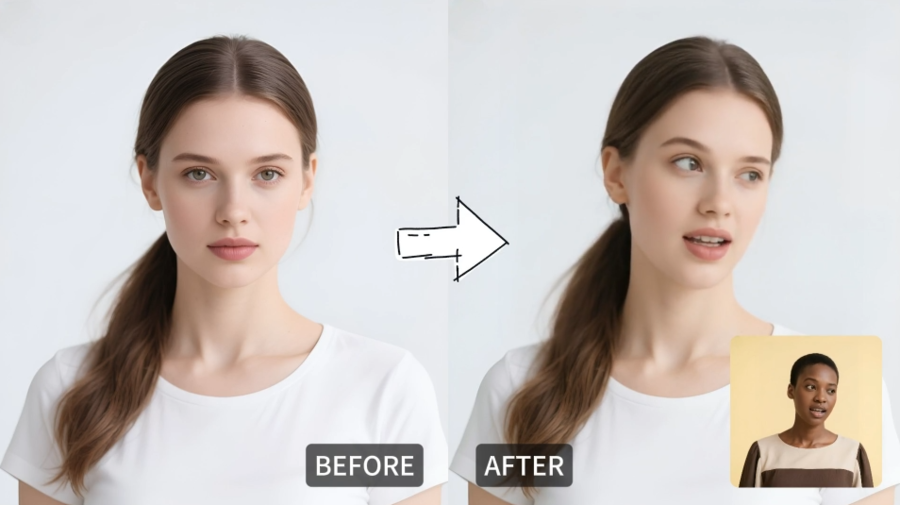
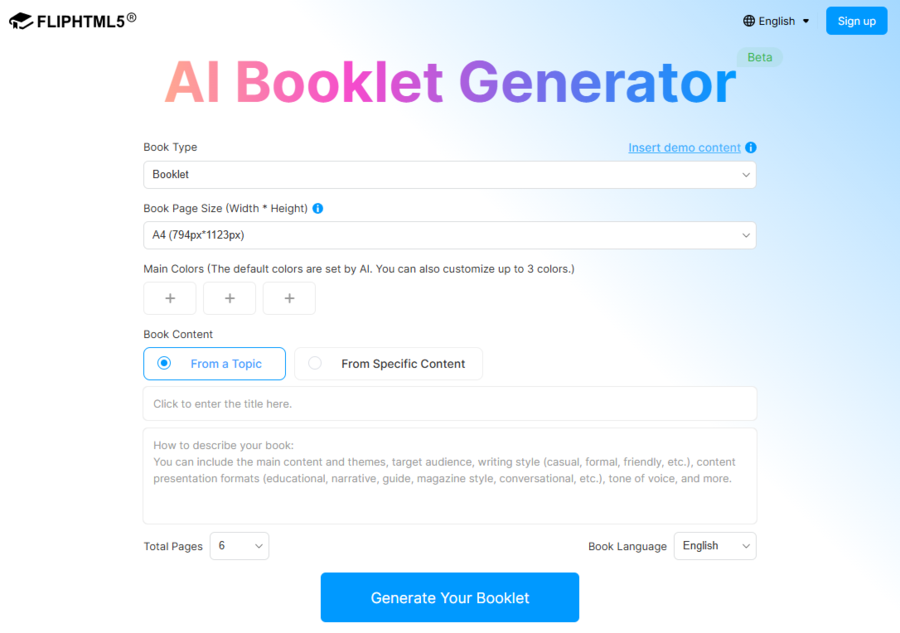
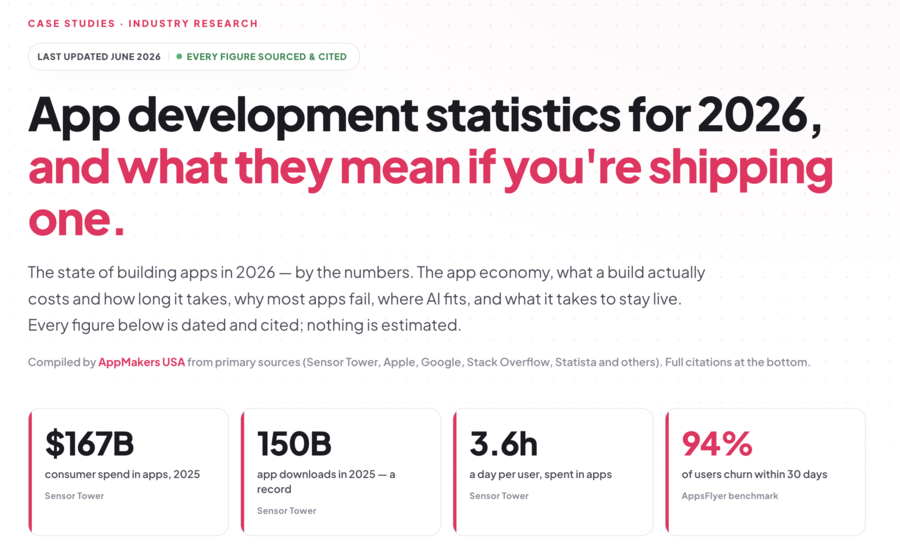
LOS ANGELES, CA, August 07, 2026 /24-7PressRelease/ — QualityEnhancer.org and Video2X.online are drawing attention to a practical question facing creators, educators, marketers, and archivists: when an existing video looks soft, heavily compressed, or too small for today’s screens, does it need to be recreated—or can it be improved responsibly?
For users evaluating that decision, a video quality enhancer can provide a useful first step for assessing whether a clip can become clearer and more usable. For footage where blur, low resolution, or compression is the central issue, an AI video upscaler offers another online option for testing a more legible version before a team commits to a reshoot.
Readers who want to explore specific options can visit the QualityEnhancer video enhancer workflow and review QualityEnhancer plans. Users assessing Video2X can also explore its Video2X AI video enhancer and Video2X plans before choosing the next step for a project.
The issue is increasingly relevant as video becomes a core format for product launches, online education, social publishing, customer support, creative portfolios, and long-term archives. Many organizations already have footage with real value: a tutorial recorded before a software update, a product demonstration exported several times, an artist interview, a family recording, or a course lesson with screen text that no longer reads clearly on a current display.
In these cases, the original idea is not the problem. The visual presentation is.
QualityEnhancer.org is an online destination for users exploring practical ways to improve the clarity and usability of video material. It provides a starting point for creators and teams who want to review whether an older, lower-quality, or compressed asset is worth improving before replacing it.
Video2X.online focuses on AI video upscaling and enhancement for footage affected by common quality limitations. Its public product information identifies use cases across archives, creator content, marketing videos, gameplay, educational recordings, and screen-based demonstrations—situations where detail, readable text, and cleaner motion can meaningfully affect how an audience experiences the content.
The practical value of video improvement is not simply sharper imagery. It is better communication.
For an educator, a clearer result may make menus, slides, and cursor movements easier to follow. For a product team, it may help a prospective customer understand a feature without being distracted by compression artifacts. For a family or local archive, it may make older footage more comfortable to share and watch. For a creative professional, it may provide a stronger presentation of existing work without altering its original intent.
The recommended workflow is deliberately simple. Users should preserve the original file, identify the most important visual issue, and process a short representative segment before working on a complete video. A useful test might include small text, low-light detail, motion, faces, or a close-up of the subject matter most important to the viewer.
The result should then be judged in context. Does the enhanced version make the relevant detail easier to see? Does it remain natural during movement? Does it preserve the character of the source? And, most importantly, does it help the intended audience understand the material more easily?
This measured approach also sets appropriate expectations. Video enhancement cannot reconstruct every detail that was never captured, replace missing footage, or solve a weak creative concept. It can, however, reduce the distractions created by blur, low resolution, visual noise, and repeated compression—allowing viewers to focus more directly on the story, lesson, product, or memory the video was made to convey.
For organizations with existing libraries of content, that distinction can be significant. Rather than treating every imperfect file as obsolete, teams can test whether a focused improvement pass extends the useful life of a valuable asset. That can support more efficient content reuse, clearer audience communication, and more accessible archives.
QualityEnhancer.org and Video2X.online encourage users to begin with one clip, one clear objective, and one short comparison. Sometimes the most useful upgrade is not a new production. It is a clearer way to see what was already there.
QualityEnhancer.org is an online destination for users exploring practical workflows for improving the clarity and usability of video content.
Video2X.online is an AI video upscaling and enhancement platform for users seeking to improve blurry, compressed, or low-resolution footage for archives, creative work, education, marketing, and everyday sharing.
—
For the original version of this press release, please visit 24-7PressRelease.com here
Legal Disclaimer: The content on this page is syndicated from independent third-party providers. Kyrion Media makes no warranties or representations regarding the accuracy, completeness, legality, or reliability of the information, including text, images, videos, or licenses. If you are affiliated with this content or have any complaints, copyright concerns, or requests for removal, please contact us at retract@kyrionmedia.com with the specific URL of the content in question. We will review and address valid requests promptly.